
What Is a CDD Fee? A Plain-English Guide for Central Florida Buyers
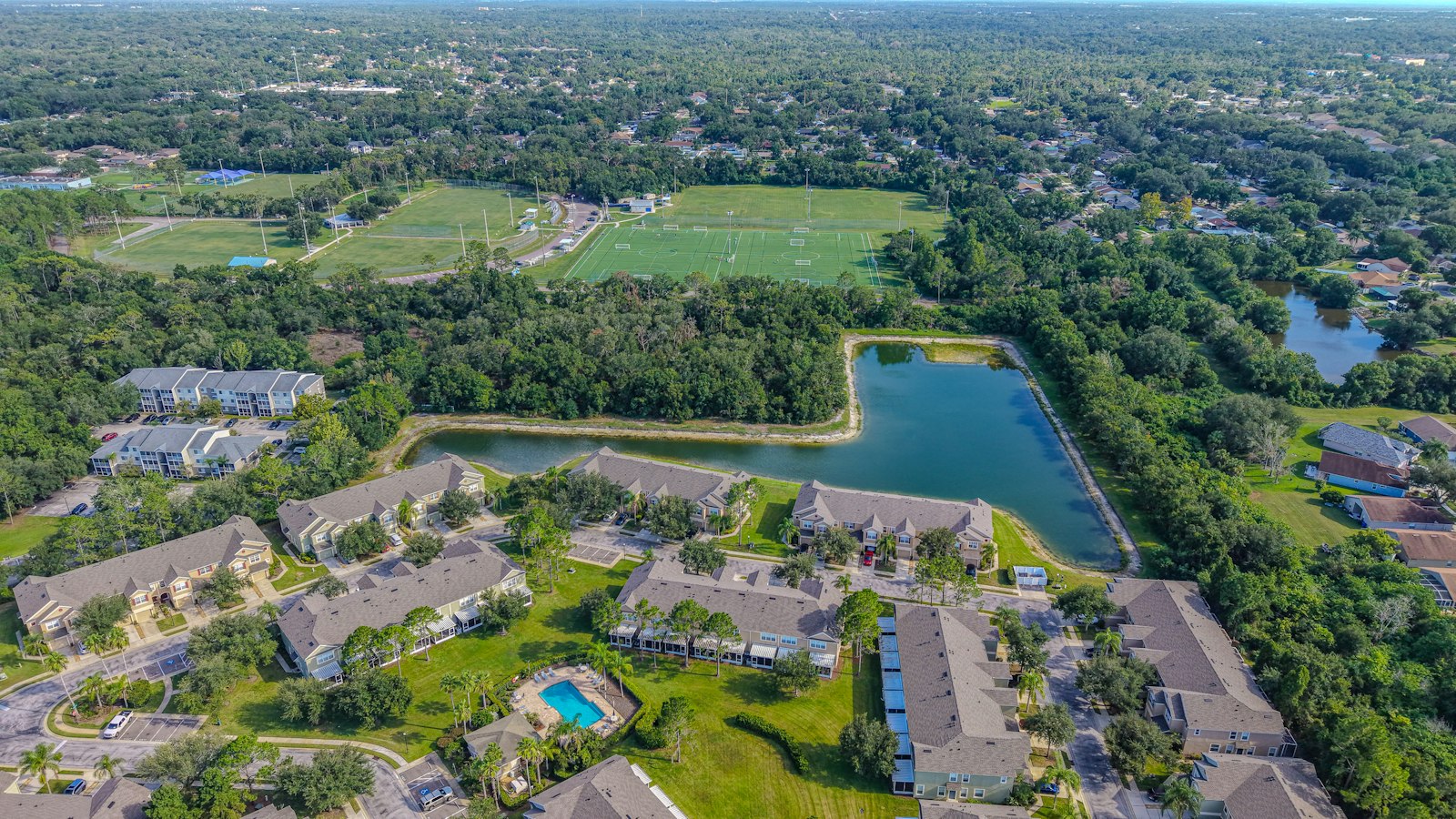
Two homes. Same builder, same floor plan, same price, about ten minutes apart in Central Florida. One buyer's monthly cost ends up noticeably higher than the other's.
The difference often comes down to three little letters most buyers never ask about until closing: CDD.
If you're shopping in newer communities around Horizon West, Winter Garden, Clermont, Lake Nona or Kissimmee, you will run into CDDs. Here's everything you need to know, in plain English.
What is a CDD?
A Community Development District is a special-purpose local government created under Florida law (Chapter 190, Florida Statutes). It exists to build and maintain the "bones" of a new community:
- Roads and sidewalks
- Water, sewer and drainage systems
- Stormwater ponds
- Entry features, landscaping and sometimes amenities like clubhouses and pools
Instead of the developer adding all of those costs to every home's price on day one, the CDD borrows the money by issuing bonds, and the homeowners in the district repay them over time.
How do you pay it?
The CDD fee shows up on your yearly property tax bill as a non-ad valorem assessment. That means it's a flat amount based on your lot or home type, not on your home's value.
If your taxes are paid through an escrow account, your CDD is built into your monthly mortgage payment. You won't get a separate bill, but you're definitely paying it.
The two parts of every CDD fee
This is where most buyers get confused:
1. Operations and maintenance (O&M) This pays to maintain the district's infrastructure and common areas. It generally continues as long as the district exists, and it can change each year with the district's budget.
2. Debt service This repays the bonds that built the infrastructure. It typically lasts a set number of years, often 20 to 30, and then it ends. When it does, your CDD fee drops to just the O&M portion.
Why it matters: a home in an older CDD community where the bonds are nearly paid off may cost less each month than an identical home in a brand-new phase.
How to find the real number (before you buy)
Don't rely on "it's about the same as the HOA." Get the actual figures:
- Ask the builder or seller for the CDD disclosure. In new construction, Florida requires it in the contract.
- Look up a nearby home on the county tax collector's website and find the CDD lines on its tax bill.
- Visit the CDD's own website. Every district publishes its budget, meeting minutes and bond information.
- Ask how many years remain on the debt service.
Can you pay off a CDD?
Often, the debt-service portion can be prepaid. The district manager can give you a payoff amount. Some buyers pay it off to lower their yearly bill; others prefer to keep their cash. The O&M portion generally can't be paid off.
If a seller has already paid off the bond portion, that can be a real selling point, so ask!
CDD vs. HOA: not the same thing
| CDD | HOA | |
|---|---|---|
| What it is | A special local government | A private association |
| What it pays for | Infrastructure (roads, utilities, drainage) | Community rules, common areas, amenities |
| How you pay | On your property tax bill | Directly to the HOA |
Many communities have both, so budget for both.
Myths vs. facts
- Myth: "CDD homes are a bad deal." Fact: CDDs often mean newer infrastructure and amenities, and sometimes a lower purchase price. It's about the total monthly cost, not the label.
- Myth: "CDD fees are tax-deductible like property taxes." Fact: It depends. Ask your tax professional which portions may qualify.
- Myth: "The CDD fee never changes." Fact: The O&M portion can change yearly with the district's budget.
The bottom line
A CDD isn't good or bad. It's part of the price. The smartest buyers compare homes by their true monthly cost: mortgage, taxes, CDD, HOA and insurance.
That's exactly what I do for every buyer I work with. Send me any home you're considering, and I'll break down the full monthly picture, CDD included, before you fall in love with it.
This is general information. Confirm amounts with the CDD, the county tax collector, your lender and your tax professional.
Lucas Gonzalez, REALTOR® | LPT Realty, LLC | (917) 295-1916 | thebulldogrealtorfl.com
Recent Posts




"My job is to find and attract mastery-based agents to the office, protect the culture, and make sure everyone is happy! "
1400 International Pkwy, South Lake Mary, FL 32746, USA